7 Signs Your Driveway Needs Sealcoating or Repaving
· By Gaughan Land & Property Services
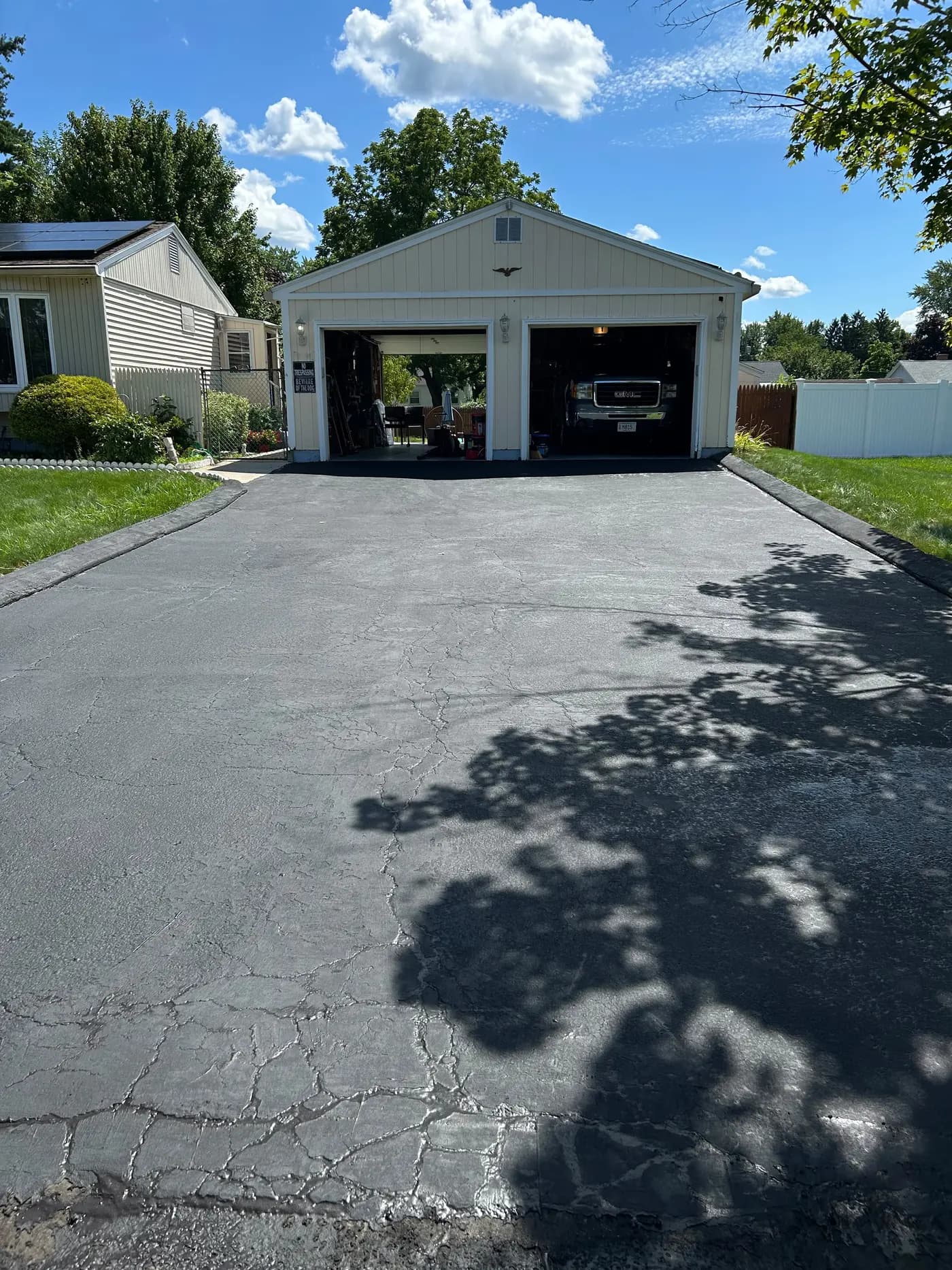
Your driveway takes a beating in Western Massachusetts. Freeze-thaw cycles through the winter, road salt, summer heat, and the steady weight of vehicles all wear asphalt down over time. The tricky part is knowing when a driveway just needs a fresh coat of protection versus when it is time for a full replacement. Catching the difference early can save you money and keep a small problem from turning into a costly one.
Below are seven signs that tell you your driveway needs attention, plus a simple way to decide between sealcoating and repaving. If you live in Ludlow or a nearby town like Springfield, Chicopee, or Palmer, the local climate makes regular checkups even more important. When in doubt, a professional can walk your driveway with you and give you a straight answer.
1. Cracks Are Spreading Across the Surface
A few hairline cracks are normal as asphalt ages, but the pattern matters. When you start seeing cracks that connect and branch out, or a spiderweb pattern that looks like alligator skin, that is a signal the base under your driveway may be weakening. Water seeps into these cracks, and here in Hampden County the freeze-thaw cycle expands that water and pries the cracks wider every winter.
Small, isolated cracks can often be filled and sealed before they grow. Widespread cracking that covers large sections usually points to a deeper problem that filling alone will not fix. The sooner cracks are addressed, the more likely you are to avoid a full replacement.
2. Potholes Are Forming
Potholes are one of the clearest signs your driveway needs repaving attention. They form when water works its way beneath the surface, erodes the base, and the asphalt above collapses under the weight of traffic. A single small pothole can sometimes be patched, but patches are a temporary fix and rarely match the surrounding surface.
If potholes keep coming back in the same spots or you are seeing several across the driveway, that tells you the foundation is compromised. At that point, repaving is usually the more durable and cost-effective route. Left alone, potholes grow quickly and can damage tires and suspension.
3. The Surface Is Fading to Gray
Fresh asphalt is a deep, rich black. Over the years, sun exposure and oxidation bleach that color out until the surface turns a dull, chalky gray. Fading is more than a cosmetic issue. The dark binder that holds the aggregate together is breaking down, which leaves the surface brittle and more prone to cracking.
A gray, worn-looking driveway that is otherwise solid is often the perfect candidate for sealcoating. A fresh seal restores the dark finish and adds a protective layer against the elements. If the graying comes along with heavy cracking or crumbling, though, sealcoating may only be a band-aid.
4. Water Pools After It Rains
A properly built driveway is graded so water runs off to the sides rather than sitting on the surface. If you notice puddles that linger long after a rainstorm, you have a drainage problem. Standing water is one of the biggest enemies of asphalt because it soaks into any crack or weak spot and accelerates damage from below.
Pooling in Western Massachusetts is especially risky because trapped water freezes in winter and expands, forcing the surface apart. Depending on the cause, the fix might involve resurfacing, regrading, or in some cases a full rebuild to correct the slope. A professional assessment can pinpoint what is really going on.
5. The Edges Are Crumbling
Driveway edges are the weakest part of the surface because they have no support from the sides. When you see the outer edges cracking, chipping, or crumbling away, it means the asphalt is losing its structural integrity. This often starts small but spreads inward toward the main surface over time.
Crumbling edges can sometimes be repaired and reinforced if the rest of the driveway is in good shape. When the deterioration is widespread and paired with other signs on this list, it usually points toward repaving. Keeping vehicles from parking right on the edges and maintaining the surrounding soil can slow the process.
6. Your Driveway Is 15 to 20 Years Old
Age alone is a meaningful indicator. A well-installed and well-maintained asphalt driveway typically lasts around 15 to 20 years, though the exact lifespan depends on the quality of the original installation, how much traffic it carries, and how well it has been maintained. The harsh New England winters we get in the Ludlow area tend to shorten that timeline compared to milder climates.
If your driveway is approaching or past that age range and showing several of the other signs here, patching and sealing may only buy you a little more time. At that stage, repaving is often the smarter long-term investment because you are starting fresh with a solid base and surface.
7. The Last Sealcoat Has Worn Off
Sealcoating is not a one-time job. Most driveways benefit from a fresh coat every few years to keep the surface protected, though the right interval depends on climate, traffic, and the condition of the asphalt. When you can no longer tell the driveway was ever sealed, the protective layer is gone and the raw asphalt is exposed to sun, water, and salt again.
A worn seal on an otherwise healthy driveway is a straightforward maintenance item. Reapplying the coat protects your investment and delays the day you need bigger repairs. Think of sealcoating as routine upkeep, similar to changing the oil in your car, that helps a good driveway last as long as possible.
Sealcoat vs. Repave: How to Decide
The decision comes down to how deep the damage goes. Sealcoating is a surface treatment. It works when the asphalt is structurally sound but showing wear: fading color, minor surface cracks, or a coat that has simply worn away. It protects and refreshes, but it cannot fix problems below the surface.
Repaving is the answer when the damage is structural: widespread alligator cracking, recurring potholes, crumbling edges, drainage failures, or an aging driveway showing several of these signs at once. If you find yourself patching the same spots year after year, a full repave usually costs less over time than an endless string of repairs.
Costs vary widely depending on the size of your driveway, the extent of the damage, and site conditions, so any figure you see online is only a rough market range. The only way to get an accurate number is an on-site look. We offer free estimates so you can see exactly what your driveway needs and what it will cost before you commit to anything.
How to Get a Straight Assessment
The best time to evaluate your driveway is in spring or early fall, when the weather is stable and any winter damage is easy to spot. Walk the full surface, note where you see the signs above, and pay close attention to how water behaves after it rains.
If you would rather have a trained eye take a look, Gaughan Land & Property Services provides asphalt paving, sealcoating, and driveway repair across Ludlow and the surrounding Western Massachusetts towns, including Springfield, Chicopee, Wilbraham, Belchertown, Palmer, South Hadley, East Longmeadow, Hampden, and Granby. We will inspect your driveway, explain what we see in plain terms, and give you an honest recommendation on whether sealcoating or repaving makes sense. Call us at (413) 519-8514 to schedule a free estimate.
Frequently asked questions
- How do I know if my driveway needs sealcoating or full repaving?
- If the asphalt is structurally solid but the surface is faded, has minor cracks, or the old seal has worn off, sealcoating is usually enough. If you have widespread cracking, recurring potholes, crumbling edges, or drainage problems, repaving is typically the better long-term choice. A free on-site assessment is the most reliable way to know for sure.
- How often should I sealcoat my driveway in Massachusetts?
- Most driveways benefit from a fresh sealcoat every few years, but the right interval depends on traffic, sun exposure, and the condition of the asphalt. Our harsh New England winters can wear the seal down faster, so it helps to check the surface each year and reapply once the protective layer is no longer visible.
- How long does an asphalt driveway last?
- A well-installed and maintained asphalt driveway generally lasts around 15 to 20 years. The exact lifespan depends on the quality of the original installation, how much traffic it carries, drainage, and regular upkeep like sealcoating. The freeze-thaw cycles common in Western Massachusetts can shorten that range.
- How much does it cost to repave a driveway?
- Costs vary widely based on the size of the driveway, the extent of the damage, and site conditions, so any online figure is only a rough market range. The most accurate way to get a real number is an on-site evaluation. We provide free estimates so you know exactly what to expect before any work begins.
- Is standing water on my driveway a serious problem?
- Yes. Water that pools and lingers after rain points to a drainage or grading issue, and standing water is one of the leading causes of asphalt damage. It seeps into cracks and weak spots, and in winter it freezes and expands, forcing the surface apart. It is worth having the cause diagnosed before it leads to bigger repairs.
Related services
Serving
Found this helpful? Make us a preferred source on Google.
Ready for an exact price?
Get a free, no-pressure in-home estimate. Real numbers for your home, not a phone guess.